Mount Rinjani Height: How Hard Is It To Climb One?
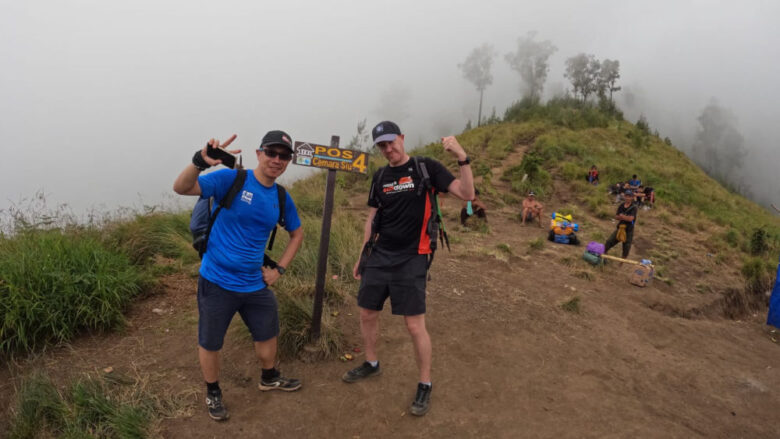
Mount Rinjani’s height is about 3,726 meters above sea level, and that elevation is the main reason the climb feels challenging. For many first-time hikers, the difficulty is not only the distance, but the combination of steep trails, loose volcanic ground, cold early-morning temperatures, and thin air at higher altitude.
The good news is that you do not need to be a pro athlete to enjoy Rinjani. You just need realistic route choices, steady pacing, and preparation that matches the mountain’s conditions. If you understand how the height affects your body and your timeline, you can plan a safer and more enjoyable trek.
Mount Rinjani Height and What It Means for Your Body
At 3,726 meters, some people start feeling mild altitude effects such as headache, shortness of breath, or poor sleep, especially if they ascend quickly. This is normal, but it becomes a problem when hikers ignore early symptoms or push too hard without rest. Hydration, slow pacing, and enough time on the mountain are the simplest ways to reduce discomfort.
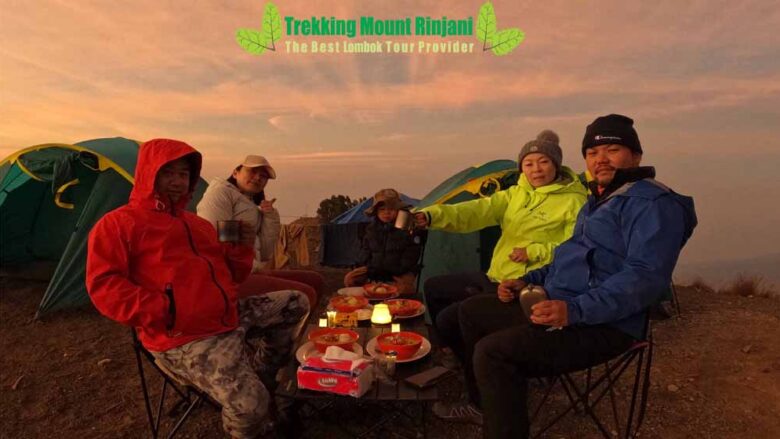
Temperature also changes with altitude. Lombok can feel hot near the coast, but higher on Rinjani it can be cold and windy, especially before sunrise. Many hikers underestimate how much energy the cold and wind can drain, which is why warm layers matter as much as fitness.
How Hard Is the Climb, Really?
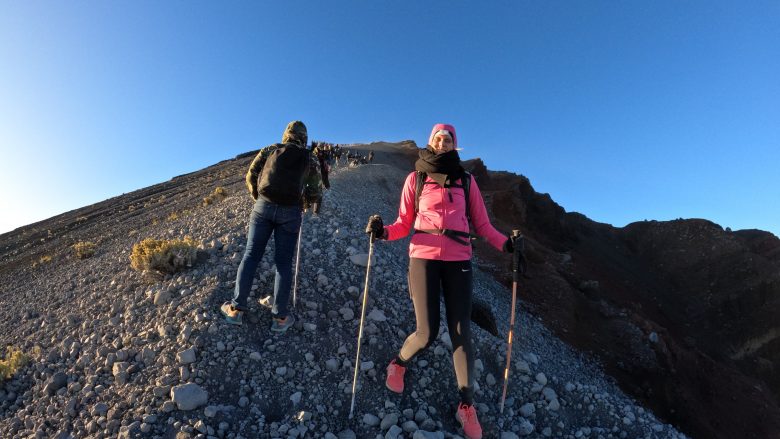
Rinjani is often rated as a demanding trek because it combines long uphill sections with challenging footing. The summit approach is famous for loose volcanic sand and gravel where you can slide back a step after moving forward. This can be mentally tiring even for fit hikers.
The descent is another hidden challenge. Long downhill sections can stress knees, ankles, and toes, especially if your shoes are not broken in. Many hikers feel strong on day one and then struggle on the last descent. That is why “hard” on Rinjani often means total fatigue over multiple days, not one single steep climb.
Choosing the Right Route for Your Fitness Level
For first-timers, the “best” route is the one you can complete without rushing. Short itineraries can be tough because they compress big elevation gain into fewer hours. Longer itineraries may feel easier because they give your body time to adapt and recover.
A simple way to choose:
- Crater rim focus is a strong option if you want epic views with a more manageable goal.
- Lake-inclusive routes add variety and time inside the caldera, but usually require more days and stamina.
- Summit attempts are the hardest option and should be chosen only if you are comfortable with steep terrain and early starts.
If you have knee issues, ask specifically about the descent profile and whether trekking poles are recommended for your route.
Training, Gear, and Preparation That Actually Helps
Training for Rinjani is less about speed and more about endurance and leg strength. The most useful preparation is long walks, stairs, and downhill practice. If you can do consistent hiking-like movement for several hours, you will feel more in control on the mountain.
For gear, focus on comfort and safety rather than overpacking. Essentials that make a real difference:
- Shoes with strong grip that you have already worn on hikes
- Warm layers for pre-sunrise conditions and wind exposure
- Rain layer and dry bag to keep gear dry
- Headlamp for early starts and late camp movement
- Sun protection, because exposed ridges can be intense even when cool
On the trek, use a steady pace, snack regularly, and take short breaks before you feel exhausted. Most problems on Rinjani start when hikers push too hard early.
Booking Information
If you want help choosing a route based on your fitness, time, and goals, contact the Trekking trekking Mount Rinjani team. You can call Phone: +6287765550004 for quick recommendations and logistics. If you prefer to plan in writing, email herorinjani@gmail.com with your trekking dates, group size, and preferred goal such as crater rim, lake, or summit. The team is based at Jln. Senaru-Bayan Lombok Utara, NTB, Indonesia (83354), which is practical for coordinating routes and meeting points.
FAQ
Q: Is Mount Rinjani hard because of the height or the trail?
It’s both, but most people feel the trail first. The steep sections and loose volcanic surface are tiring, and the height makes breathing and recovery slower, especially near the summit.
Q: Can beginners climb Mount Rinjani?
Yes, but beginners should choose a realistic itinerary and avoid rushing. A crater rim-focused trek is often a better first step than an aggressive summit plan.
Q: What is the hardest part of Rinjani?
For many hikers, it’s the summit push on loose volcanic sand and the long descent that hits the knees. The toughest part depends on your weak point: cardio, legs, or stability.
Q: How do I know if I’m feeling altitude effects?
Common signs include headache, nausea, dizziness, and unusual fatigue that does not improve with rest. If symptoms get worse, you should slow down and tell your guide early.
Q: What should I message when booking with Trekking Mount Rijani?
Send your dates, group size, hiking experience, and your goal (rim, lake, or summit). If you have asthma, knee issues, or any health concerns, mention them so the team can suggest the safest plan.